
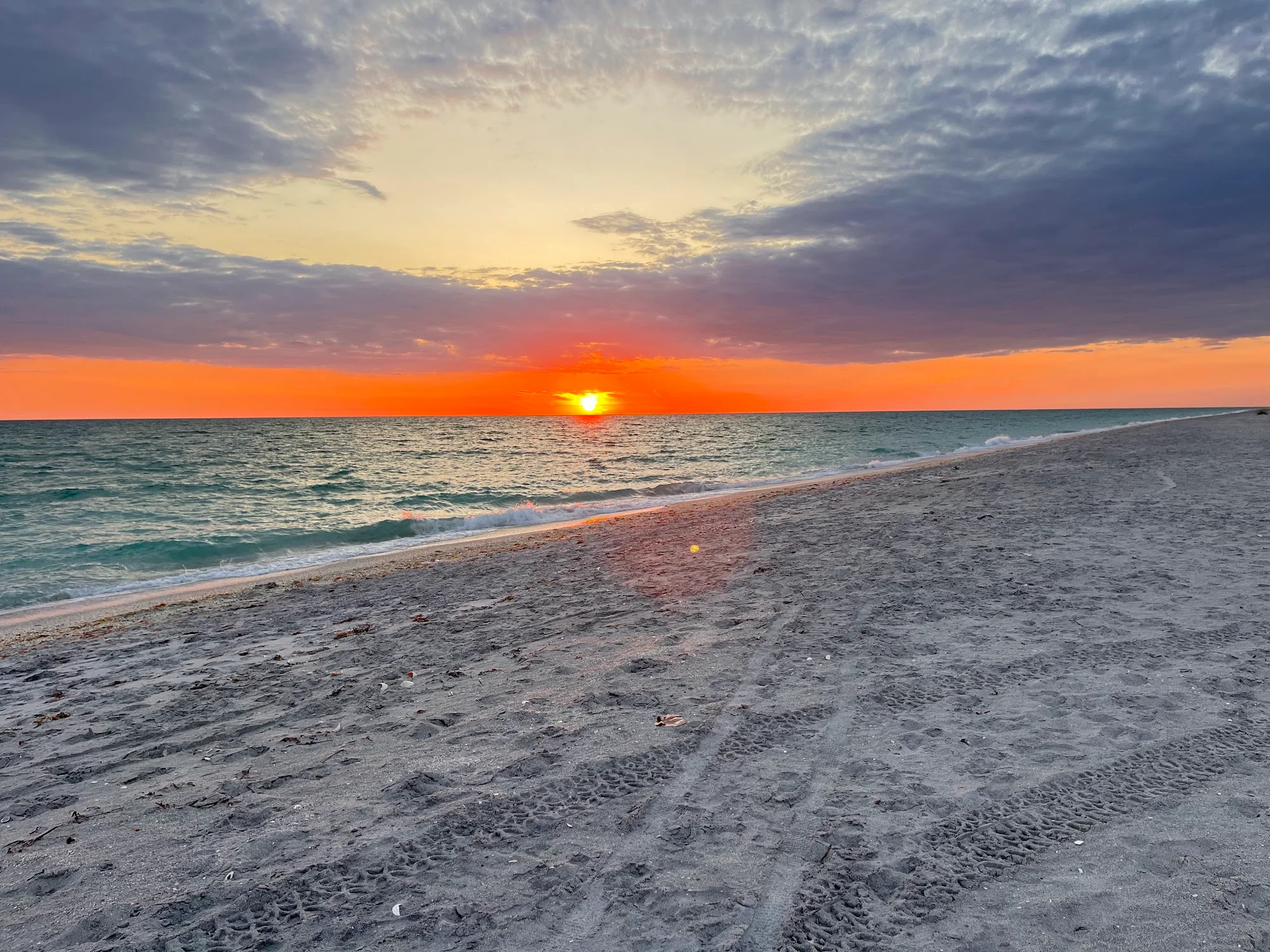
Stump Pass Beach State Park Guide 2026: Parking, Shark Teeth, Shelling & Tips
Stump Pass Beach State Park is one of the most distinctive beaches on Florida’s southwest Gulf Coast. Located at the southern end of Manasota Key in Englewood, the park combines a quiet beach, fossil shark teeth, seashells, fishing, paddling, wildlife, and a more natural shoreline than many developed Florida beach destinations.
It is not the kind of place I would choose for restaurants, boardwalk entertainment, or a full resort day. I would choose it for a slower beach experience, a long walk toward Stump Pass, and the chance to search the shoreline for shells and fossil shark teeth.
This 2026 guide covers what to know before you go, including parking, current fees, shark tooth hunting, shelling, swimming, the nature trail, kayaking, fishing, accessibility, pets, and the best time to visit.
Table of Contents
Quick Answer: Is Stump Pass Beach State Park Worth Visiting?
Yes. Stump Pass Beach State Park is especially worth visiting if you want a quieter Gulf Coast beach with shark teeth, seashells, fishing, paddling, wildlife, and a natural shoreline. The park sits at the south end of Manasota Key in Englewood and has about a mile of beach leading toward Stump Pass.
The biggest planning issue is parking. The park has a relatively small parking area, so arriving early is a good idea on weekends, holidays, and during the busy winter season.
If you are comparing Florida beach regions more broadly, see my Best Sand Beaches in Florida guide.
Stump Pass Beach State Park at a Glance
| Location | 900 Gulf Blvd., Englewood, FL 34233 |
| Area | South end of Manasota Key |
| Hours | 8 a.m. to sunset, 365 days a year |
| Vehicle fee | $3 per vehicle |
| Best known for | Shark teeth, shells, quiet beach, fishing, paddling |
| Lifeguards | No |
| Restrooms | Yes |
| Outdoor rinse/shower | Yes |
| Kayak launch | Yes |
| Pets on beach | No |
| Accessibility | Accessible facilities; beach wheelchairs may be available |
Current hours, fees, alerts, and facilities can change. Check the official Stump Pass Beach State Park page before your trip.
Where Is Stump Pass Beach State Park?
Stump Pass Beach State Park is at the southern end of Manasota Key in Englewood, Florida, on the Gulf Coast. The official address is 900 Gulf Blvd., Englewood, FL 34233.
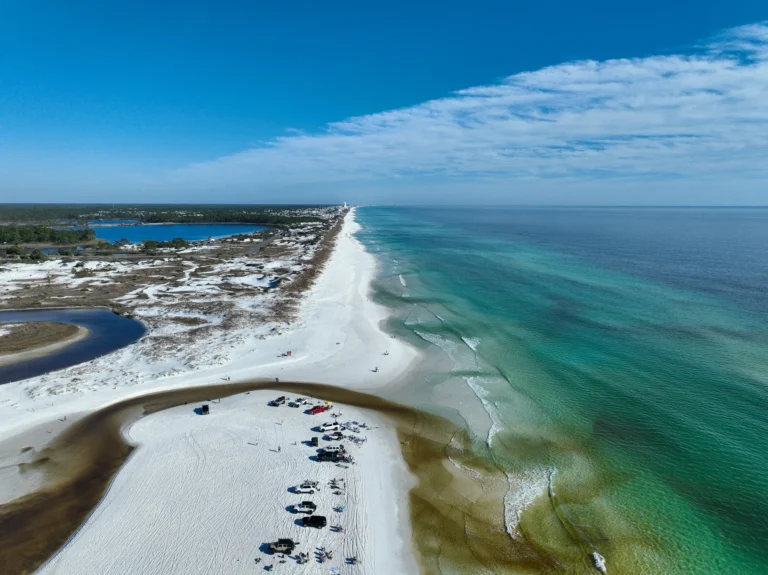
The park occupies the narrow southern end of the barrier island, with the Gulf on one side and Lemon Bay on the other. That geography is a major part of the experience. You can spend time on the open Gulf beach, walk south toward the pass, or launch a kayak into quieter water and paddle toward the pass and nearby islands.
Englewood Beach is just north of the park, so it is easy to compare a more developed public beach with the quieter state-park setting during the same trip.
Stump Pass Beach State Park Hours, Fees and Parking
The park is currently open from 8 a.m. to sunset, every day of the year. The listed vehicle entrance fee is $3 per vehicle, and Florida State Parks currently instructs visitors to use a QR code to pay the fee.
Parking is available, but this is not a huge beach parking complex. Because the park is located at the end of Manasota Key and has limited space, parking can become the biggest obstacle during popular times.
When Should You Arrive?
I would arrive near opening time if you are visiting on a winter weekend, holiday, or especially nice beach day. An early arrival also improves your chances of finding fresh shells and shark teeth before the shoreline has been searched by many other visitors.
If the parking area is full, do not create your own roadside parking spot or block local access. Have a backup beach in mind, such as Englewood Beach or another Manasota Key access.
Current Park Alert
The official park page currently notes that the pavilion has been unavailable since September 12, 2025. If a pavilion is important for your visit, check the latest park notice rather than assuming it has reopened.
What Is the Beach Like at Stump Pass?
Stump Pass is different from the broad, resort-oriented white-sand beaches that many travelers picture when they think of Florida.
The main Gulf shoreline is sandy and comfortable for a beach day, but shell fragments and fossil material become an important part of the beach-combing experience. As you walk south toward the pass, the shoreline can feel increasingly natural and remote.
The park is especially appealing if you enjoy walking rather than setting up beside the nearest access point for the entire day. The farther you go from the parking area, the more the visit becomes about the landscape, wildlife, shells, and pass itself.
For travelers specifically comparing Florida’s brightest quartz beaches, my Best White Sand Beaches in Florida guide compares the state’s strongest choices, while Best White Sand Beaches in the USA puts them in a national context.
Shark Teeth at Stump Pass Beach State Park
Fossil shark teeth are one of the main reasons people visit Stump Pass Beach State Park.
Florida State Parks specifically notes that shark teeth wash ashore here, along with seashells. They are fossilized teeth from ancient sharks rather than evidence that unusual numbers of live sharks are close to shore.
Where To Look for Shark Teeth
Start along the tide line where waves have recently deposited shells, small stones, and darker pieces of debris. Shark teeth can be black, dark gray, brown, or mixed in color, so they are often easier to spot when you search slowly rather than scanning the beach while walking quickly.
Areas with concentrated shell material are often more promising than sections of perfectly clean sand.
Best Time To Search
There is no guaranteed time to find a shark tooth, but conditions can improve after waves, higher tides, and weather have rearranged the shoreline. Early morning can also be useful simply because fewer visitors have searched the beach.
Do not plan your entire trip around finding a specific number of teeth. The beach changes constantly, and one visit can be much more productive than another.
Shelling at Stump Pass Beach State Park
Stump Pass is also one of the better shelling beaches in this part of Southwest Florida.
The official park information says shelling is particularly popular during the winter months. The shape of the shoreline and movement of water around the pass help bring shell material onto the beach.
You may encounter a changing mix of shells as you walk south, especially around fresh shell lines.
Important: taking live shells is prohibited. If a shell is occupied by a living animal, leave it where you found it.
Swimming and Water Safety
Swimming is allowed, and the park is used for year-round swimming and sunbathing. However, there are no lifeguards.
Florida State Parks uses beach warning flags to communicate water conditions. A calm-looking Gulf can still have currents, and conditions near a pass can be especially dynamic.
Do not assume that the water near Stump Pass itself is the best place for casual swimming. Tidal flow through passes can create stronger currents than along the open beach.
Families and less-confident swimmers should stay conservative, pay attention to posted warning flags, and avoid entering rough water.
Stump Pass Nature Trail and Beach Walk
A major reason to visit Stump Pass instead of a standard public beach is the chance to explore on foot.
The park’s narrow shape gives you access to coastal habitats between the Gulf and Lemon Bay. The walk south lets you move away from the busiest area near the parking lot and see a more undeveloped side of Manasota Key.
Along the way, look for changes in vegetation, shell concentration, birds, mangroves, and water conditions.
How Difficult Is the Walk?
The walk is generally more about distance, sun exposure, and sandy footing than steep terrain. Heat can make it much harder in the middle of the day, especially if you walk all the way toward the southern end and then return.
Bring water, sunscreen, and footwear that works for hot sand and shell-covered sections.
Kayaking, Paddleboarding and Canoeing
Stump Pass is not just a beach park. It is also a strong paddling destination.
The park provides a launch area for kayaks, canoes, and stand-up paddleboards. From there, paddlers can explore the quieter bay side and move toward Stump Pass, where the Gulf and bay environments meet.
Nearby Peterson Key and Whidden Key add to the natural setting east of the park.
Wind, tide, boat traffic, and current can all affect paddling conditions. Check conditions before launching, particularly if you plan to paddle close to the pass.
Fishing at Stump Pass
Fishing is one of the park’s established activities, both along the beach and around the pass.
Florida State Parks lists potential catches including flounder, snook, trout, redfish, snapper, whiting, sheepshead, and tarpon.
Fishing regulations can vary by species, size, season, and method, and a Florida fishing license may be required. Check current Florida Fish and Wildlife Conservation Commission rules before fishing.
Wildlife You Might See
The undeveloped habitat around Stump Pass makes wildlife watching part of the experience.
Species identified by Florida State Parks include West Indian manatees, gopher tortoises, snowy egrets, ospreys, black skimmers, least terns, and magnificent frigate birds.
Mangroves along the bay side are especially important habitat. They help stabilize shorelines and provide sheltered areas for marine life.
Give wildlife space, stay out of marked nesting areas, and never feed animals.
Is Stump Pass Good for Families?
Stump Pass can be a very good family beach if your children enjoy exploring, collecting empty shells, looking for shark teeth, wildlife watching, and walking.
It is less ideal if your family needs a large entertainment area, lifeguards, restaurants beside the sand, or extensive beach concessions.
The lack of lifeguards is the main family-safety consideration. Parents should also remember that the long walk south can feel much longer on the return trip when children are tired and the day is hot.
For more family-oriented beach ideas, see my Top Family-Friendly Sand Beaches in the USA.
Pets at Stump Pass Beach State Park
Pets are not allowed on the beach at Stump Pass Beach State Park.
Service animals are permitted in accordance with Florida State Parks rules. If you are traveling with a pet, check the current park pet policy before arriving because permitted areas and requirements matter.
Accessibility and Facilities
The park provides accessible amenities, parking, restrooms, a picnic facility, and an outdoor freshwater rinse station.
Beach wheelchairs may be available at no charge. Official park information advises visitors to ask park staff, but notes that the park has no traditional office or ranger station.
If accessibility is important to your trip, contact the park before visiting to confirm the current availability of beach wheelchairs and any temporary facility restrictions.
Best Time To Visit Stump Pass Beach State Park
Winter
Winter is one of the strongest times for shelling and comfortable walking temperatures. It is also a busy season in Southwest Florida, so early arrival becomes more important.
Spring
Spring can provide warm beach weather before the most intense summer heat. Weekends and school-break periods can still be busy.
Summer
Summer means hotter sand, stronger sun, humidity, and frequent afternoon thunderstorms. Visit earlier in the day and bring more water than you think you need.
Fall
Fall can be quieter, but tropical weather and hurricane-season conditions may affect access and shoreline conditions. Always check park alerts before driving to Manasota Key.
What To Bring
For a simple beach visit, bring water, sunscreen, sun protection, towels, and anything you need for shade.
For shark tooth hunting and shelling, a small mesh bag or container can be useful for legal finds. Water shoes or sturdy sandals can also help where shell material becomes uncomfortable underfoot.
If you plan to walk toward the pass, bring enough water for the return trip rather than assuming you can buy drinks along the way.
My Sand Beach Vacation Packing Guide can help with a more complete beach-day checklist.
Nearby Beaches and Places To Visit
Englewood Beach
Englewood Beach is the easiest nearby alternative if you want more of a traditional public-beach setup. It is north of Stump Pass on Manasota Key and is useful as a backup if state-park parking is full.
Manasota Beach
Farther north, Manasota Beach offers another Gulf beach option and is also known for fossil shark tooth hunting.
Blind Pass Beach
Blind Pass Beach provides access to both Gulf and bay-side environments and can be combined with other Manasota Key stops.
Lemon Bay
If paddling or wildlife matters more than sitting on the beach, Lemon Bay gives the Stump Pass area much of its character and provides protected-water exploration behind the barrier island.
FAQs About Stump Pass Beach State Park
How much does Stump Pass Beach State Park cost?
The current listed entrance fee is $3 per vehicle. Florida State Parks says visitors should use the posted QR code to pay. Check the official park page before visiting in case fees change.
What time does Stump Pass Beach State Park open?
The park is currently open from 8 a.m. to sunset, 365 days a year.
Can you find shark teeth at Stump Pass Beach?
Yes. Florida State Parks specifically identifies Stump Pass as a beach where fossil shark teeth wash ashore. Finding them is never guaranteed, but shell-rich tide lines are good places to search.
Is Stump Pass good for shelling?
Yes. Shelling is one of the park’s best-known activities, and the official park information says winter is a particularly good season. Live shells must be left in place.
Does Stump Pass Beach State Park have lifeguards?
No. There are no lifeguards, so visitors should pay close attention to warning flags and changing Gulf conditions.
Are dogs allowed at Stump Pass Beach State Park?
Pets are not allowed on the beach. Service animals are permitted under applicable rules.
Are there restrooms at Stump Pass Beach?
Yes. The park has restroom facilities as well as an outdoor freshwater rinse station.
Can you kayak at Stump Pass?
Yes. The park has a launch area for kayaks, canoes, and stand-up paddleboards, with access toward Stump Pass and the Gulf.
Final Thoughts
Stump Pass Beach State Park is not a typical Florida resort beach, and that is exactly why I think it is worth visiting.
The combination of fossil shark teeth, seashells, a long natural shoreline, paddling, fishing, wildlife, and the walk toward Stump Pass gives the park more personality than a simple stop for swimming and sunbathing.
Arrive early, especially during the busy season. Bring water if you plan to walk, pay attention to water conditions, and leave live shells and wildlife undisturbed.
If your ideal Florida beach day includes a little exploring and treasure hunting instead of only sitting beside a hotel, Stump Pass is one of the more interesting Gulf Coast beaches to add to your trip.
One Comment